Why Homemade Sauces Transform Everyday Meals
Benefits of Making Sauces at Home
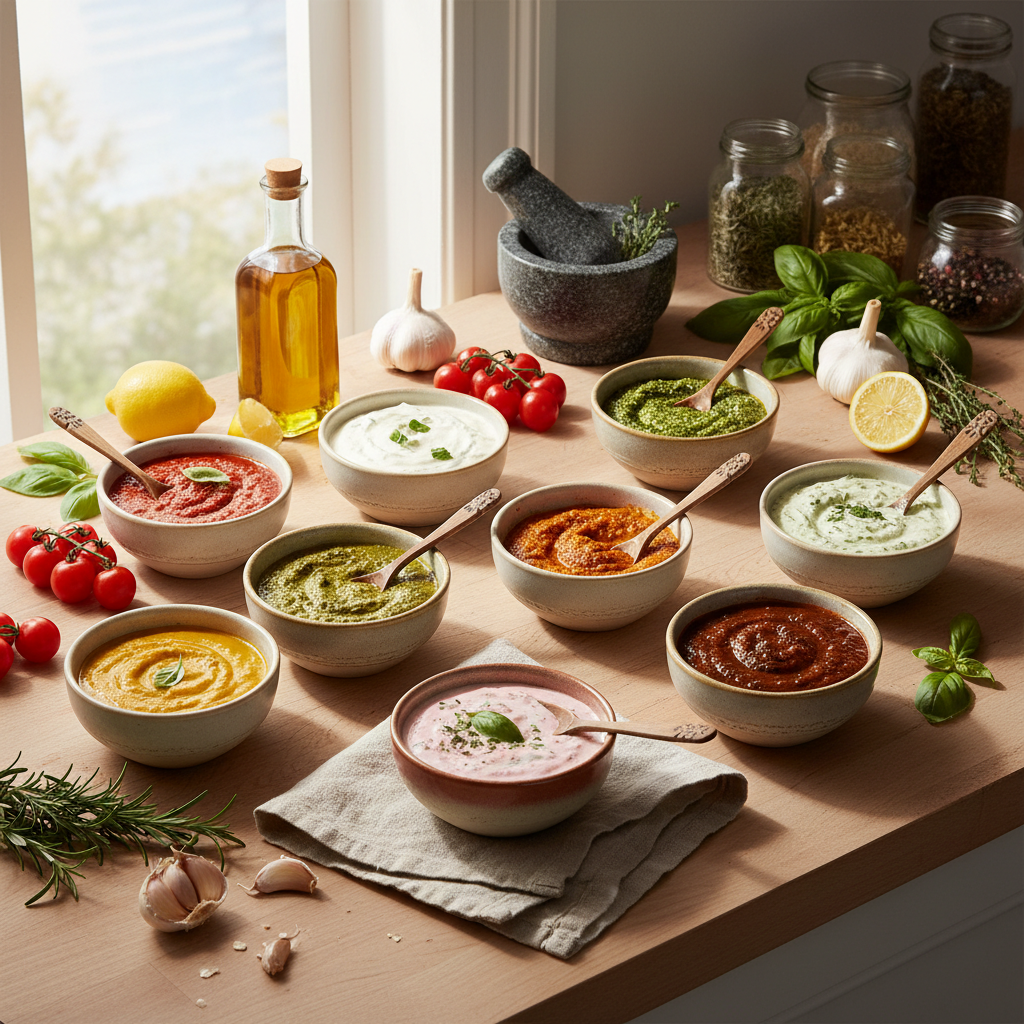
Homemade sauces can make simple meals taste amazing. When you make sauces at home, you can control the flavors and ingredients. This means no extra sugar, salt, or preservatives. You can keep your meals healthy and delicious. Homemade sauces can also be adjusted to suit your taste, whether you like them spicy, sweet, or tangy.
- Fresh taste with real ingredients
- Free from chemicals and additives
- Customizable to any meal or preference
- Often cheaper than buying pre-made sauces
Difference Between Store-Bought and Homemade Sauces
Store-bought sauces often contain preservatives, artificial flavors, and lots of sugar or sodium. Homemade sauces use simple ingredients you already know. They are usually fresher. You can make small batches for every meal or prepare more for future use. With homemade sauces, you avoid mystery ingredients and get flavors that stand out.
Essential Tools and Ingredients for Homemade Sauces
Must-Have Kitchen Tools
- Saucepan or Small Pot: For heating and simmering sauces.
- Blender or Food Processor: To blend ingredients smoothly.
- Mixing Bowls: For combining ingredients.
- Whisk and Spoons: For stirring and mixing.
- Measuring Cups and Spoons: To get ingredients just right.
- Jars or Containers: For storing homemade sauces safely.
Pantry Staples for Sauce Making
- Olive oil or other cooking oils
- Salt and pepper
- Garlic and onions
- Herbs (basil, parsley, oregano)
- Spices (chili flakes, cumin, paprika)
- Canned tomatoes or tomato paste
- Vinegars (balsamic, white, apple cider)
- Soy sauce, mustard, or mayonnaise
- Cream, butter, or cheese
- Lemons or limes
How to Make Classic Homemade Sauces That Upgrade Any Dish
How to Make Marinara Sauce
- Prepare Ingredients: Chop 1 onion and 2 garlic cloves.
- Sauté: In a saucepan, heat 2 tablespoons of olive oil. Add the onion, cook until soft. Add garlic and cook for 1 minute.
- Add Tomatoes: Pour in a 400g can of crushed tomatoes. Stir well.
- Season: Add salt, pepper, 1 teaspoon dried basil, and 1 teaspoon dried oregano.
- Simmer: Let the sauce cook on low heat for 20-30 minutes, stirring occasionally.
- Blend (Optional): For a smooth sauce, blend with a hand blender or regular blender.
- Serve: Use with pasta, pizza, or as a dip.
How to Make Classic Pesto
- Gather Ingredients: 2 cups fresh basil leaves, 1/2 cup olive oil, 1/3 cup pine nuts or walnuts, 2 cloves garlic, 1/2 cup grated Parmesan, salt and pepper.
- Blend: Combine basil, nuts, and garlic in a blender. Blend until chopped.
- Add Oil: Slowly add olive oil while blending until smooth.
- Finish: Add Parmesan, salt, and pepper. Blend briefly until mixed.
- Store: Keep in a jar in the fridge. Cover with a thin layer of oil for freshness.
- Use: Great for pastas, sandwiches, or grilled meats.
How to Make Creamy Alfredo Sauce
- Melt Butter: In a saucepan on medium heat, melt 1/4 cup butter.
- Add Cream: Stir in 1 cup heavy cream. Heat gently.
- Add Cheese: Add 3/4 cup grated Parmesan cheese. Stir until melted.
- Season: Add salt, pepper, and a pinch of nutmeg if using.
- Thicken: Let cook for a few minutes, stirring. The sauce will become creamy.
- Serve: Pour over pasta or steamed vegetables.
How to Make Basic Béarnaise and Hollandaise
- Melt Butter: For both sauces, start by melting 1/2 cup butter and keeping it warm.
- Mix Yolks: Beat 2 egg yolks with 1 tablespoon water in a heatproof bowl.
- Heat Gently: Place bowl over a pot of simmering water. Whisk continuously until yolks thicken.
- Add Butter: Slowly add melted butter, whisking until thick and smooth.
- Finish: For Hollandaise, add a squeeze of lemon and salt. For Béarnaise, add chopped tarragon and 1 teaspoon vinegar.
- Serve Immediately: Use for eggs, fish, or vegetables.
How to Make Versatile Vinaigrettes
- Basic Formula: Use 3 parts oil to 1 part vinegar.
- Mix: In a bowl, combine 3 tablespoons olive oil and 1 tablespoon vinegar (any kind).
- Add Flavors: Stir in a teaspoon of mustard, honey, salt, and pepper.
- Whisk: Whisk until mixed well and slightly thickened.
- Use: Drizzle over salads, grains, or roasted veggies.
Creative Homemade Sauces for Everyday Meals
Spicy Sriracha Mayo
- Combine Ingredients: Mix 1/2 cup mayonnaise with 2 tablespoons sriracha.
- Mix Well: Add a squeeze of lime and a pinch of garlic powder. Stir until smooth.
- Serve: Use as a dip or sandwich spread.
Tangy BBQ Sauce
- Mix Ingredients: Stir together 1 cup ketchup, 2 tablespoons brown sugar, 1 tablespoon Worcestershire sauce, 1 tablespoon apple cider vinegar, 1 teaspoon garlic powder, 1 teaspoon smoked paprika.
- Simmer: Cook in a small pot over low heat for 10-15 minutes, stirring often.
- Cool: Let cool before using on meats or as a dip.
Nutty Thai Peanut Sauce
- Mix Ingredients: In a bowl, combine 1/2 cup peanut butter, 2 tablespoons soy sauce, 1 tablespoon honey, 1 tablespoon rice vinegar, 1 teaspoon sriracha, and 1/4 cup warm water.
- Whisk: Mix until smooth. Add more water to thin if needed.
- Serve: Use for noodles, salads, or grilled chicken.
Zesty Chimichurri
- Chop Herbs: Finely chop 1 cup parsley, 3 garlic cloves, and 1/2 cup cilantro if liked.
- Mix: Combine herbs, 1/2 cup olive oil, 1/4 cup red wine vinegar, 1 teaspoon chili flakes, salt, and pepper in a bowl.
- Stir Well: Mix until evenly blended.
- Serve: Spoon over grilled meats or roasted veggies.
How to Store and Use Homemade Sauces Safely
Refrigeration and Shelf Life
Most homemade sauces need to be kept in the refrigerator. Store in clean, airtight containers. Tomato or vinegar-based sauces last up to 1 week. Creamy or egg-based sauces should be used within 2-3 days.
- Label and date jars before storing
- Refrigerate sauces as soon as possible
- If it smells or looks off, throw it away
Tips for Freezing and Reusing
- Freeze leftover sauce in small portions for easy use
- Use freezer-safe containers or plastic bags
- Thaw in the fridge overnight before using
- Never refreeze sauces once thawed
- Stir well after reheating
Quick Sauce Pairing Ideas to Upgrade Everyday Meals
Sauces for Grilled Proteins
- Chimichurri for steak or chicken
- BBQ sauce for grilled pork chops
- Sriracha mayo for grilled fish tacos
Sauces for Pasta
- Marinara or Alfredo on spaghetti or fettuccine
- Pesto tossed with penne or fusilli
Sauces for Rice and Grain Bowls
- Peanut sauce for rice bowls with chicken or tofu
- Chimichurri for mixed grain salads
Sauces for Vegetables and Salads
- Vinaigrette on roasted vegetables or green salads
- Pesto in salad wraps or lettuce cups
Frequently Asked Questions About Making Homemade Sauces
- What if my sauce is too thin? Simmer longer to evaporate liquid or add a thickener like cornstarch.
- How do I fix a salty sauce? Add a little sugar or lemon juice, or dilute with more of the main liquid.
- Can I use dried herbs instead of fresh? Yes, but use about 1/3 as much dried as fresh.
- Why did my sauce separate? It may have too much fat or was overheated. Whisk in a tablespoon of water or cream to fix it.
- How do I make sauces allergy-friendly? Use substitutions like gluten-free flours, nut-free butters, or dairy-free milks as needed.
Conclusion: Key Takeaways and Next Steps
Homemade sauces are a simple way to make everyday meals taste better. By using fresh ingredients and easy methods, you can enjoy flavorful, healthy dishes every day. Start with the classic sauces, try creative versions, and don't be afraid to make them your own. Remember to store them safely and use them to upgrade your favorite meals. Try making one new sauce each week, and soon you'll have a whole collection to use anytime!