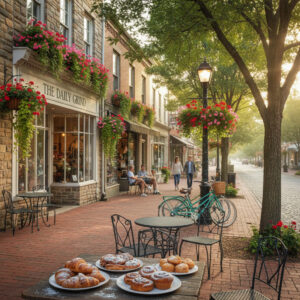
Photo by Dohyuk You on Unsplash
Why October is a sweet spot for travel
October often hits the travel sweet spot: summer crowds have thinned, peak heat has eased in many regions, and prices and availability are typically more forgiving than in midsummer or the winter holidays. It’s also one of the most varied months for experiences—leaf-peeping in temperate zones, spring landscapes in the Southern Hemisphere, and comfortable hiking conditions in desert and mountain regions. If you want fewer lines, milder weather patterns in many destinations, and a chance to stretch your budget, October is a strong bet.
Top picks by trip type
For fall color: Classic foliage drives in New England and the broader Appalachian range shine this month. Think winding byways through maple and birch forests, small towns, and harvest markets. In the Midwest and Rocky Mountain foothills, aspens and oaks turn, too. Timing varies year to year and by elevation, so aim for flexibility within a week or two if peak color is essential to your trip.
For warm beaches without peak crowds: Early to mid-October can be pleasant around the Mediterranean and certain subtropical coasts, with lingering warmth and calmer scenes after summer. In the Americas, consider Pacific-facing spots in Mexico or Southern California for drier conditions. In the Caribbean, October still overlaps with storm season; some southern Caribbean islands sometimes see fewer disruptions, but storm risk remains—build in flexibility and consider travel insurance.
For city breaks: Many European and North American cities feel more livable in October: comfortable daytime temperatures, bookable tables, and seasonal food events. City parks glow with foliage, and museums and galleries are easier to enjoy without summer lines. If you want options for rainy spells, choose cities with strong indoor cultural scenes.
For outdoor adventures: Desert regions in the U.S. Southwest, parts of the Mediterranean interior, and moderate-altitude mountain trails often become hike-ready with cooler days. National parks in shoulder season can offer abundant wildlife viewing and clearer trails, though higher elevations may see early storms—check conditions before committing to routes.
Region-by-region highlights worth your shortlist
United States and Canada: New England, the Adirondacks, the Blue Ridge and Great Smoky Mountains, and parts of the Upper Midwest deliver iconic foliage. In the West, Utah and Arizona’s canyon country offer prime hiking weather and striking light; coastal California transitions to calmer crowds and vineyard harvest buzz. Many national parks feel more spacious now, but be mindful of shorter daylight and changing mountain conditions.
Europe: Southern Europe (Portugal, Spain, southern Italy, Greece) stays warm longer, with sea temperatures that can still feel swimmable and fewer tourists. Central and Western Europe bring comfortable city-walking weather, vineyard harvests, and cultural calendars in full swing. Northern Europe cools quickly; it’s lovely for crisp city breaks and countryside inns if you’re prepared for shorter days.
Asia: In Japan, autumn color begins in northern and higher-elevation regions during October and progresses southward—plan for flexibility rather than a specific peak date. Parts of Central Asia and the Caucasus can be beautifully clear and cool. Southeast Asia is in transition; some islands and coasts start to dry, while others remain rainy—choose destinations known for shoulder season appeal rather than banking on beach-perfect weeks.
Africa and the Middle East: In North Africa and the Levant, heat recedes enough to make ancient sites and souks more pleasant. East African safari regions can offer rewarding wildlife viewing around this time of year, but exact animal movements and conditions vary—consult local operators for current patterns and road access.
Southern Hemisphere: It’s spring in Australia, New Zealand, and southern Africa. Coastal cities brighten with blossoms, and hiking routes open up with milder temperatures. In Patagonia and other high-latitude zones, the shoulder season begins—expect wind and some services still ramping up, but fewer crowds if you’re prepared for variable weather.
How to choose your October destination
-
Decide what you want to feel, not just see
Pick the climate vibe first—crisp sweater weather, dry desert sun, or late-season beach warmth. That narrows the world fast.
-
Match trip length to travel time
For a long weekend, choose closer spots to maximize time on the ground. Long-haul flights make more sense for weeklong-plus trips.
-
Check seasonal patterns and access
Look up typical October conditions, road/ferry schedules, and daylight hours. In mountains and islands, services can scale back.
-
Balance budget and flexibility
Shoulder season can mean better rates, but festivals and popular foliage weeks still fill up. Hold refundable bookings when possible.
-
Plan activities around daylight
Days are shorter in many regions. Front-load hikes and outdoor time, and keep longer scenic drives for late morning to midafternoon; save museums or dining for evenings.
-
Confirm entry needs and local holidays
Check passports, visas, and any regional holidays that could affect openings, transit schedules, or crowds.
Underrated October ideas if you’ve done the classics
- Wine country beyond the obvious: Beyond Napa and Tuscany, look at lesser-known regions with harvest energy—think Portugal’s Alentejo or Oregon’s Willamette Valley towns.
- Island culture over beaches: If seas are rough, choose islands with strong inland draws like volcanic trails, craft villages, and markets. You’ll enjoy them even in changeable weather.
- Small historic towns: Off-season charm, walkable centers, and local festivals abound in shoulder months. Focus on places with a compact core, indoor attractions, and cozy lodging.
- Rail-based trips: Shoulder-season timetables still run on major routes. String together scenic train journeys to reduce driving and enjoy foliage without parking headaches.
What October isn’t great for (and how to adapt)
October strengths
- Lower crowd levels in many popular regions
- Milder temperatures for hiking and city walking
- Harvest season food and culture in temperate zones
- Better odds of value compared with high summer
Watch-outs
- Storm season persists in some tropical basins
- Shorter daylight limits long daytrips and hikes
- Mountain and ferry services may reduce frequency
- Peak foliage timing varies—no guarantees
Sample October trip sketches
Leaf-peeping road loop: Fly into a gateway city near New England or the Appalachians, rent a car, and do a 3–5 day loop through small towns, state parks, and scenic byways. Start early each day to leave time for unplanned stops and photo breaks.
City-and-coast Europe: Base in a southern European city with easy rail to a coastal town. Split time between museums and seaside walks; shoulder season makes last-minute daytrips simpler.
Desert hiking long weekend: Pick a base near major parks in the U.S. Southwest. Hike at first light, rest midafternoon, then return for golden-hour views. Slot canyons and rim trails are at their most comfortable now—check local conditions and avoid slot canyons if storms are forecast.
Spring in the Southern Hemisphere: Choose a compact route in New Zealand or coastal South Africa—gardens, coastal drives, and wildlife viewing feel fresh and uncrowded in October.
| Trip style | Why it works in Oct | Constraints | Who it suits |
|---|---|---|---|
| Foliage road trip | Peak seasonal scenery and harvest vibes | Color timing varies; narrow roads can clog on weekends | Photographers, couples, families with flexible timing |
| City break | Milder temps, cultural calendars in full swing | Rain more likely; shorter days | Museum lovers, food-focused travelers |
| Desert hiking | Comfortable daytime hikes, fewer crowds | Sun exposure still high; nights can be cold | Active travelers seeking wide-open landscapes |
| Beach escape | Quiet shores and warm seas in select regions | Storm risk in some basins; services may taper | Relaxation seekers open to flexible plans |
Practical tips to lock in a smooth October getaway
- Pack for swing seasons: Layers, a light waterproof shell, and closed-toe walking shoes cover most October scenarios.
- Time your weekends: Popular foliage corridors and wine regions are busiest on Saturdays and Sundays. Midweek stays can transform the experience.
- Drive daylight-savvy: Plan scenic drives for midday to maximize light; dusk can bring wildlife to roads in rural areas.
- Mind marine conditions: Ferries and small-boat tours can be wind-dependent in shoulder season. Keep a flexible day in your itinerary if a sailing cancels.
- Book key experiences, leave space elsewhere: Reserve limited-entry sites, special restaurants, and guided hikes. Keep one open day for serendipity.
If you enjoy rail travel, October is ideal for scenic train journeys, letting you relax while landscapes change outside your window. For shorter breaks, gather a few weekend getaway ideas close to home to make the most of the season. And if you’re narrowing down urban itineraries, explore the best U.S. cities to visit for museums, neighborhoods, and dining that shine in cooler weather.
October travel FAQs
Is October a good month for Europe?
Yes. Crowds thin and temperatures moderate in many regions. Southern Europe can still feel summery, while central and western cities are comfortable for walking.
Where has reliable beach weather in October?
Parts of the Mediterranean and some Pacific coasts often stay pleasant. Tropical basins may face storms—choose destinations with shoulder season appeal and keep plans flexible.
Are flights cheaper in October?
Often, but not always. It’s a shoulder month between summer and the holidays, so deals appear. Use fare alerts and book when a price fits your budget.
Which U.S. national parks are good in October?
Many. Desert parks cool for hiking, and some mountain and forest parks trade summer crowds for calmer trails. Check road status and weather before visiting higher elevations.
What should I pack for an October trip?
Plan for variability: layers, a light rain jacket, comfortable closed-toe shoes, and a warm layer for cool mornings and evenings. Add sun protection for desert or coastal trips.
Is October hurricane season?
Yes, it overlaps in parts of the Atlantic and some tropical regions. Monitor forecasts near departure and consider flexible bookings or travel insurance.