Understanding the Principles of Satisfying, Budget-Friendly Meals
What Makes a Meal Satisfying?
To build a budget-friendly meal that feels satisfying, focus on three things: flavor, nutrition, and fullness. Satisfying meals balance these elements by including proteins, healthy fats, fiber-rich foods, and seasonings. This combination helps you feel full and happy after eating, even on a budget.
Budgeting Basics for Affordable Cooking
Smart budgeting is key to keeping meal costs low. Start by making a weekly food budget and track your spending. List each meal before shopping and look for sales or discounts. Cook at home as much as possible and plan simple, filling recipes that use inexpensive ingredients.
Essential Staples for Satisfying, Low-Cost Meals
Pantry Must-Haves for Any Budget
- Rice and pasta
- Beans and lentils (canned or dried)
- Canned tomatoes
- Oats
- Flour and baking powder
- Dried herbs and spices
- Cooking oil
- Soy sauce or vinegar
Versatile Proteins That Won’t Break the Bank
- Eggs
- Canned tuna or salmon
- Frozen chicken thighs or drumsticks
- Beans and lentils
- Tofu
- Peanut butter
Affordable Vegetables and Whole Grains
- Carrots
- Potatoes
- Frozen mixed vegetables
- Cabbage
- Onions and garlic
- Brown rice
- Oats
Smart Meal Planning and Shopping Tips for Budget-Friendly Satisfaction
Weekly Meal Planning Strategies
- Plan all meals and snacks for the week.
- Use recipes with overlapping ingredients to avoid waste.
- Base meals around your pantry staples.
- Plan for leftovers and batch-cook if possible.
How to Maximize Savings with Smart Grocery Shopping
- Check flyers and use coupons for ingredient discounts.
- Create a shopping list and stick to it.
- Buy store brands instead of name brands.
- Shop for in-season produce.
- Buy in bulk when practical.
Reducing Food Waste for Bigger Savings
- Keep an inventory of what’s in your fridge and pantry.
- Store food properly to extend freshness.
- Use leftovers in new meals, like soups or stir-fries.
- Freeze extra portions for later use.
Cooking Techniques That Stretch Your Budget Without Sacrificing Flavor
Batch Cooking and Meal Prepping
- Choose recipes that can be made in large batches, like chili or curry.
- Divide cooked meals into portions for easy reheating.
- Store prepped meals in the fridge or freezer for later use.
- Save time and money by cooking once and eating multiple times.
Using Leftovers Creatively
- Transform leftover rice into fried rice or rice bowls.
- Turn cooked vegetables and meats into soups, wraps, or omelets.
- Repurpose stale bread as croutons or breadcrumbs.
- Add odds and ends to casseroles or salads.
Flavor-Boosting Tricks on a Budget
- Use dried herbs, spices, and garlic to flavor dishes.
- Add citrus juice or vinegar for freshness.
- Toast spices in a pan to release extra aroma.
- Roast vegetables to bring out natural sweetness.
Budget-Friendly and Satisfying Meal Ideas for Every Time of Day
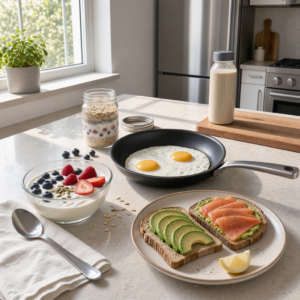
Breakfasts That Fill You Up for Less
- Oatmeal with fruit, nuts, or peanut butter
- Scrambled eggs with leftover vegetables
- Peanut butter toast with banana
- Homemade muffins or pancakes using oats and eggs
Lunches for Work or Home That Don’t Feel Cheap
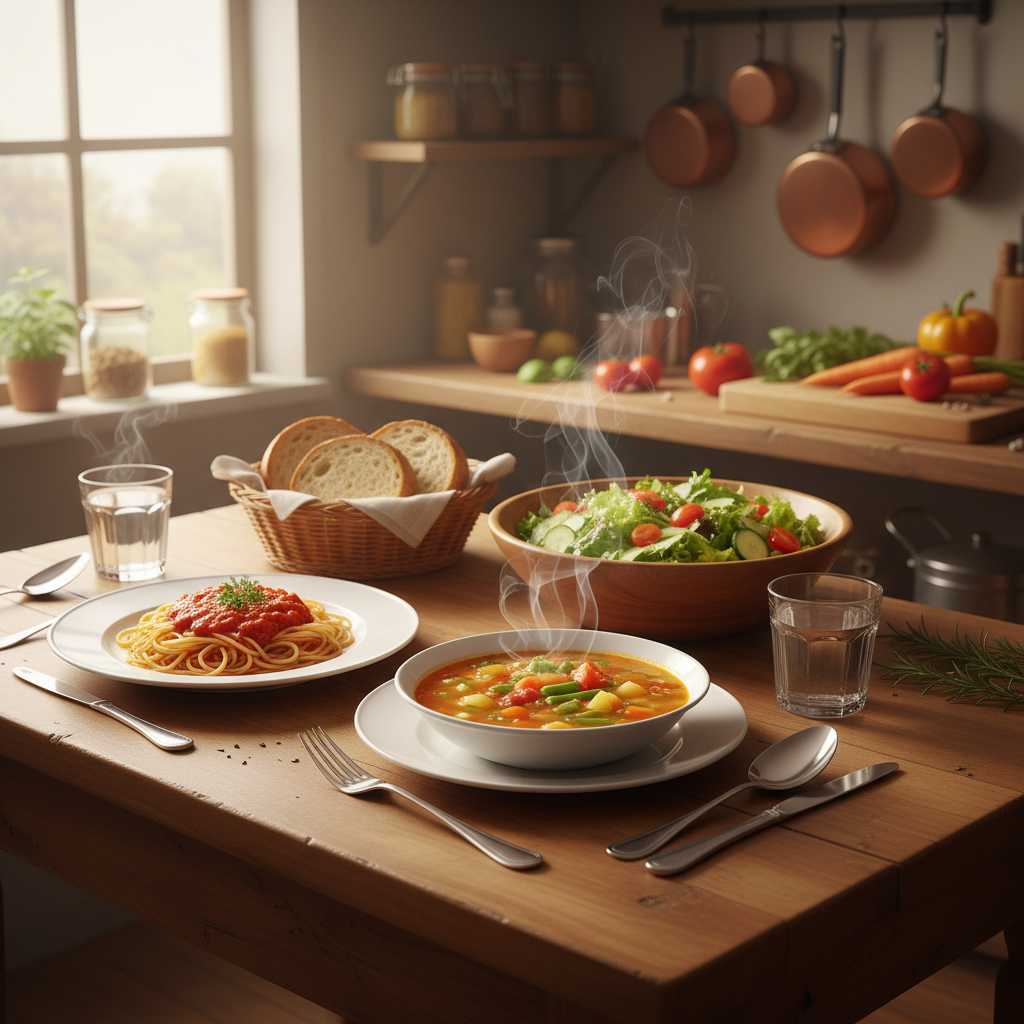
- Bean and vegetable soup
- Rice bowls with lentils, eggs, and greens
- Stir-fried noodles with frozen veggies and tofu
- Chicken salad wraps with cabbage and carrots
Comforting and Affordable Dinners
- Chickpea curry with rice
- Baked potatoes with beans and cheese
- Pasta with roasted vegetables and tomato sauce
- One-pan baked chicken with potatoes and carrots
Common Pitfalls to Avoid When Making Budget Meals
Avoiding Repetitive Flavors and Ingredients
- Use different herbs, spices, or sauces for the same base ingredients.
- Alternate preparation techniques (boiling, baking, frying).
- Try new combinations to keep meals interesting.
Nutrition Gaps and How to Fill Them on a Budget
- Include beans, eggs, or dairy for protein.
- Add frozen or canned vegetables for variety.
- Use whole grains for extra fiber.
- Take advantage of seasonal produce for better prices and nutrition.
Frequently Asked Questions About Budget-Friendly Satisfying Meals
- What if I have no time to cook? Batch-cook on weekends or prep ingredients in advance for busy nights.
- Are canned foods healthy? Yes, as long as you choose low-salt options and rinse before using.
- How do I keep meals interesting? Try new spices, cooking styles, or rotate recipes weekly.
- What is the best way to start meal planning? Begin with simple meals, make a basic grocery list, and plan meals around what you already have.
Summary: Key Points and Next Steps
Building budget-friendly meals that still feel satisfying is all about planning, smart shopping, and creative cooking. Start small, focus on pantry staples and versatile proteins, and try new strategies to keep your meals affordable and enjoyable. Remember, satisfaction comes from great taste, good nutrition, and a little creativity. Choose your favorite tips, plan your next week’s meals, and see how much you can save while eating well!